
Sanremo’s Comedy Slot Just Turned Into a Parliamentary Brawl
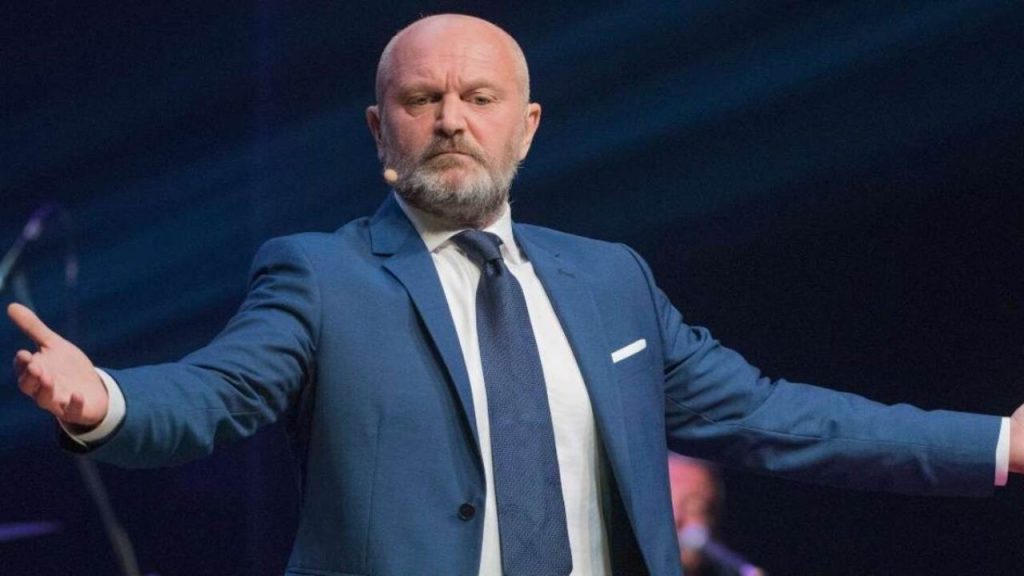
Sanremo is meant to be Italy’s annual week-long group chat, the one where everyone pretends they’re only here for the songs while absolutely living for the side plots. Except this year the side plot arrived early, kicked the door in, and started shouting about “free speech” before the first note was even played: Andrea Pucci was announced as a comic guest/co-host for one night, and the backlash was immediate enough to make you wonder if RAI accidentally booked a political talk show instead of a music festival.
The real reason people kicked off
You asked “why the controversy?” It’s not some vague “people are too sensitive these days” storyline. The criticism is that Pucci’s brand of comedy, as cited by politicians and covered across Italian media, has included homophobic jokes and body-shaming, and that bringing that energy to the biggest public-service stage in the country is a choice that deserves scrutiny, not applause.
One example that’s been repeatedly referenced in coverage: comments aimed at TV personality Tommaso Zorzi, including a crude gag linked to a Covid swab, which critics held up as a neat little snapshot of “punching down dressed up as banter.” Add to that social clips and “stories” where Pucci mocked the Partito Democratico leader Elly Schlein’s appearance (again: body-shaming, not satire), and you can see why people weren’t exactly lighting candles for his Sanremo debut.
This is why RAI gets dragged into it
Because it’s RAI. Not a private club gig. Not a niche late-night slot where everyone’s already opted into the tone. This is a national event sold as Italy’s living room, and when you book a performer widely criticised for “politically incorrect” material that reads less like brave comedy and more like dated cheap shots, you don’t get to act surprised when the room argues back. Reuters also noted Corriere della Sera describing his jokes as belonging to “the last century,” which is a very polite way of saying “time’s up.”
That’s why MPs from the centre-left Democratic Party went hard, calling for explanations and framing it in the wider “TeleMeloni” battle about political influence at the broadcaster. Even Codacons weighed in, warning against putting such a divisive figure on the Ariston stage and pointing to accusations of vulgar, racist, and homophobic jokes.
He stepped back, and the story got uglier
Pucci then withdrew from co-hosting that night, saying he and his family had faced insults and threats. Threats are vile, full stop, and nobody with a functioning brain should be defending them. But here’s the uncomfortable bit Italy keeps tripping over: condemning intimidation doesn’t magically erase the original criticism about what RAI chooses to platform.
Giorgia Meloni publicly backed Pucci, describing the backlash as intimidation and attacking what she called an “illiberal drift” on the left, while RAI expressed regret and framed the situation as a worrying climate of intolerance. Meanwhile, critics basically replied: “Lovely speech. Now answer the question: why was this booking made in the first place?”
What this says about Sanremo 2026
Sanremo can survive anything, but it doesn’t always come out smarter for it. If the festival wants to keep selling itself as the country’s big unifying cultural moment, then choosing comedians whose recent headlines revolve around homophobia accusations, sexist humour, and body-shaming is not just “edgy,” it’s lazy. Italy’s funniest people can do better than cheap shots, and RAI can do better than booking controversy and then acting offended when the controversy shows up on time.
Source: Reuters



