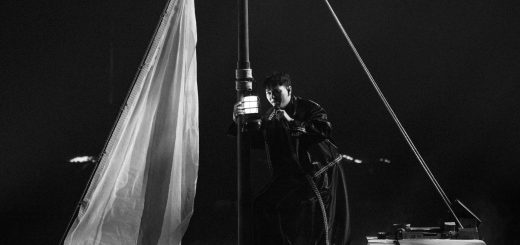
Israel’s Eurovision 2026 song gets the green light… with “minor clarifications” and major side-eye

So, Israel’s entry for Eurovision 2026 has officially been approved by the EBU… and yet, because Eurovision can never just let us have one clean, uncomplicated sentence, it’s also been approved with a request for a few “not significant” clarifications. Which is basically the EBU equivalent of saying, “Yes, darling, you can go out… but fix your collar first.”
According to Ran Boker (Ynet’s culture correspondent), the song Noam Bettan will perform in Vienna this May has passed the EBU check, but the union asked for some additional clarity on a few points. What those points actually are is, for now, deliciously vague. Lyrics? Presentation? Paperwork? A comma that looked a bit too political? Nobody’s saying. And honestly, we may never know, because “minor clarifications” is Eurovision-speak for “we’ve handled it, stop asking.”
The reveal date is locked: 5 March, KAN 11, bring snacks
What we do know is the timeline. The entry itself hasn’t been unveiled yet, but it’s set for a first proper reveal on 5 March during a special broadcast on KAN 11, Israel’s public broadcaster channel. So we are currently in that familiar pre-reveal purgatory where fans are ranking a song they haven’t heard, based solely on vibes, rumours, and the fact that the internet cannot sit still for longer than nine seconds.
Not a ballad this time, and it’s going trilingual
Here’s where it gets interesting musically: reports say this entry moves away from ballads (for the first time in two years), and will feature lyrics in Hebrew, French, and English. That’s either a clever way of widening the song’s emotional reach, or a recipe for everyone to argue over which language got the best line, which is arguably the real Eurovision tradition.
Who wrote it, and why that matters
The songwriting team is Yuval Raphael, Tslil Klifi, and Nadav Aharoni, all established names in Israel’s pop world. Yuval Raphael is a particularly notable detail, because she’s not just “industry adjacent”, she’s Eurovision-adjacent too, and that tends to set off the fandom’s internal “conflict of interest” alarm even when everything is handled properly.
In fact, the reporting says the committee took an extra transparency step: a Teddy Productions representative reportedly recused himself from the discussion/vote on this particular song due to Yuval Raphael’s involvement. It’s the sort of procedural detail that sounds dull until you remember Eurovision is a contest where people will screenshot a meeting agenda and turn it into a three-day discourse spiral.
And then there’s Nadav Aharoni, who isn’t just on the lyrics/composition side, but also tied to production, and has previous collaboration history with Noam Bettan. Translation: this is not a random pairing. It’s a built-in working relationship, which usually means less chaos behind the scenes… though obviously Eurovision laughs at the concept of “less chaos.”
So what are these “clarifications”, exactly?
Nobody’s spelling it out, and that’s the point. The EBU reportedly framed them as minor, and the song is approved. That suggests we’re not dealing with a major rewrite situation, more like tweaks, explanations, or adjustments that don’t change the core entry. Still, the fact it’s even mentioned gives the fandom exactly what it loves: a tiny mystery it can inflate into a full-blown season arc.
The bigger context everyone is thinking about (even if they pretend they aren’t)
Israel’s participation in Eurovision 2026 has been politically contentious for months, with prior reporting about EBU decisions and the wider debate around participation. That broader climate is why even a routine “song approval” story can’t help but feel slightly charged, even when the update is essentially: approved, small clarifications, reveal coming soon.
For now, the practical takeaway is simple: Noam Bettan is cleared to perform Israel’s entry in Vienna, and we’ll actually hear the song on 5 March. Everything else is just pre-season noise, which, to be fair, is what keeps half of us alive between national finals.
Source: Ynet