Lenny Kuhr Bows Out, Gracefully
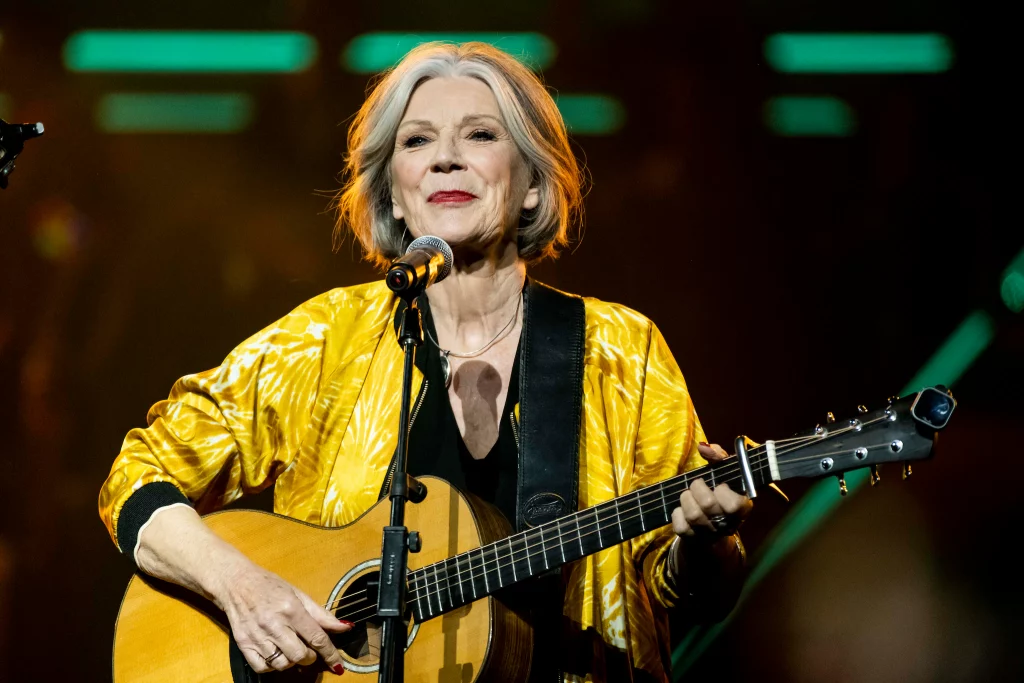
Some Eurovision news hits you like a confetti cannon. This one lands more like a hand on the shoulder: Lenny Kuhr, the Dutch singer who left her name on the Eurovision history books back in 1969 with “De troubadour” (in that wonderfully chaotic year with four winners), has announced she’ll be retiring from music this spring, bringing a near six-decadecareer to a close when the current season ends in May 2026.
A farewell that feels personal, not performative
Kuhr shared the news directly with her audience on Instagram, and the tone is unmistakably hers: grateful, a little heavy-hearted, and very clear that this isn’t some dramatic “final tour” stunt, it’s a decision shaped by life doing what life does, namely turning up with inconvenient realities right when you’d prefer a clean ending. She points, in particular, to her husband Rob’s health, and to “divisions” that have also played a part in her choosing to step away earlier than expected, which is one of those phrases that can mean a lot of things, but doesn’t sound like it was written lightly.
There’s something quietly moving about how she frames the goodbye as a shared moment, not a spotlight grab: her husband, who handled bookings for years and was a constant presence on the road, the musicians around her, and the simple wish to end this chapter with dignity, rather than letting it fizzle out when circumstances get harsher.
Not just “a winner”, but a working artist
It’s easy, in Eurovision-land, to freeze people in the year they won and keep them there like a nicely preserved postcard. But Kuhr didn’t become a footnote after Madrid. She built a proper recording career, releasing more than 20 albums, and kept making music long after Eurovision stopped being something she “did” and became something she simply carried.
That 2021 moment: the past, suddenly alive again
And if you need a recent reminder of how naturally she still belongs in the Eurovision universe, think back to Rotterdam 2021, when she appeared as part of the “Rock the Roof” interval segment, alongside other winners, singing her winning song again, not as a nostalgia act wheeled out for claps, but as someone who still sounded like she meant every word. There was warmth in it, and a kind of calm authority, as if she’d wandered in from a different era and somehow made it feel current.
The editorial bit (because this deserves one)
Eurovision is very good at speed, hype, and the next thing. Kuhr’s announcement is the opposite: it asks you to slow down for a second and notice the human part, the long road behind the three-minute song, the years of venues, travel, routine, compromise, and commitment that don’t fit into a recap clip. If her farewell season really does end in May 2026, it feels right to treat it less like “news” and more like a small, respectful pause for someone who’s been there, done it, won it, and then kept going anyway.
Source: Instagram (Lenny Kuhr)