Ukraine Locks It In: LELÉKA Signs the Deal for Vienna 2026
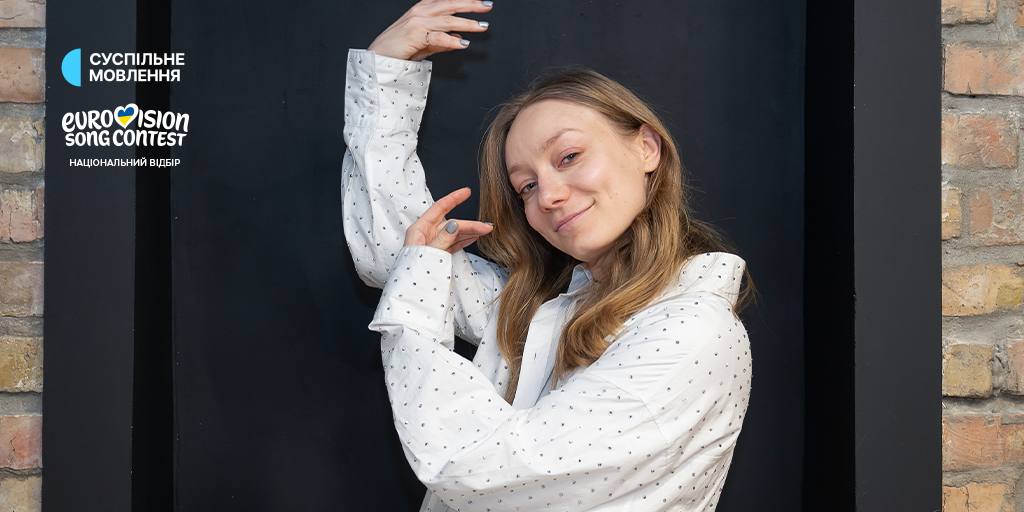
You know, darlings, that tiny, oddly satisfying click in Eurovision season when something moves from “announced” to actually done? Ukraine has just delivered that exact click. Suspilne has signed the participation agreement with LELÉKA, meaning Ukraine’s 2026 entry is no longer a post-final glow or a headline you scroll past. It’s official, filed, stamped, and very much pointing in one direction: Vienna.
LELÉKA will represent Ukraine with “Ridnym”, the same song that won Vidbir and immediately started doing that classic Eurovision trick where everyone quietly replays it “just once more”, purely for scientific reasons, obviously.
Vienna is waiting, and the calendar is already sharp
The big 70th anniversary edition will take place in Vienna, with Semi-Final 1 on 12 May, Semi-Final 2 on 14 May, and the Grand Final on Saturday 16 May 2026, all hosted at the Wiener Stadthalle. There’s something reassuring about having the dates nailed down this early, because it stops the season feeling like a rumour and starts it feeling like a plan.
Ukraine’s draw detail is also already on the table: they’ll perform in the second half of the second semi-final, which is the sort of small thing that makes eurofans instantly start imagining pacing, energy, and “late-slot advantage” debates that last until May.
And yes, the hosts are set too: Victoria Swarovski and Michael Ostrowski, a pairing ORF has already framed as a proper Vienna-forward duo, polished but capable of having fun with it.
Vidbir’s result was clean, and the participation was loud
LELÉKA’s Vidbir win came with the kind of clarity most national finals only dream of: maximum points, with 10 from the jury and 10 from the public. That’s not just a win, that’s a tidy consensus, and those are rare enough in Eurovision that you almost want to frame it.
The public vote ran through the Diia app and SMS, and the scale was substantial: 208,391 votes recorded in Diia and over 19,000 SMS. Whatever your feelings about voting mechanics, those numbers have one meaning: people showed up, properly.
The broadcaster’s Eurovision ecosystem is in place
Suspilne also confirmed its media backbone for the season, naming Suspilne Kultura and Radio Promin as official media partners, which basically means Eurovision in Ukraine isn’t just a night of TV. It’s coverage, radio, culture programming, and the whole machine turning.
And Vidbir carried something else too: a fundraising effort with Superhumans to support prosthetics for veterans, which sat alongside the show as a reminder that Ukraine’s Eurovision story has never been sealed off from the world outside the arena.
A very simple takeaway, without the philosophy
Ukraine has its artist, its song, its signed agreement, and its semi-final half. That’s the “admin” done, which is exactly when the fun part begins: the slow build of anticipation, the performance choices, the staging clues, the first rehearsal photos that make everyone overreact in twelve languages. For now, the headline is refreshingly straightforward: LELÉKA is officially going to Eurovision 2026.
Source: Suspilne